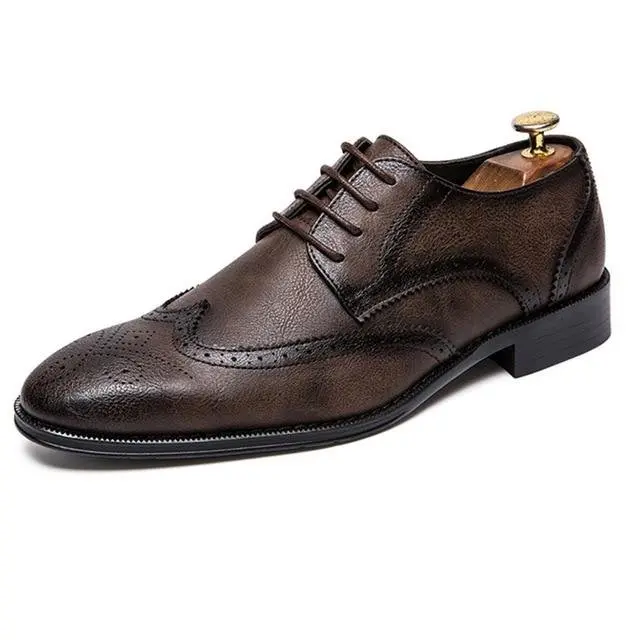
MEN'S / NEW RELEASES
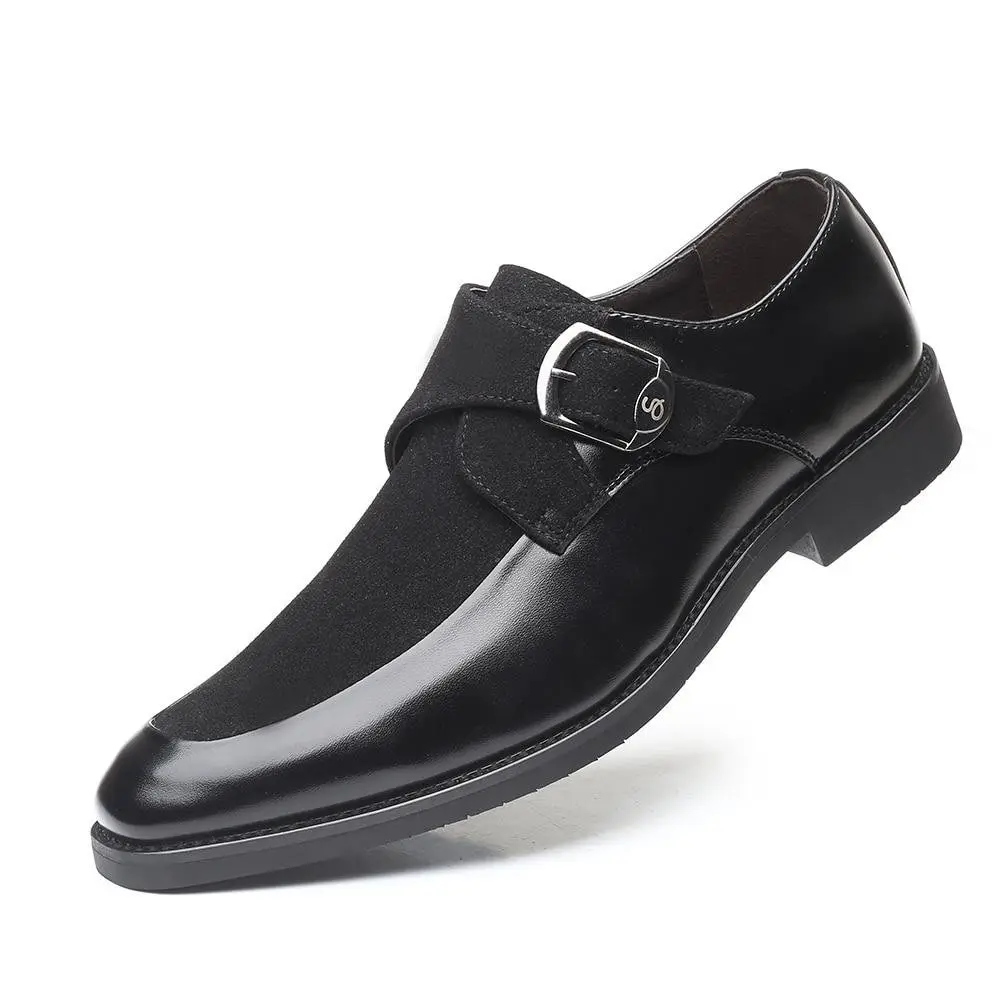
Oxford Casual Shoe
Explore the details
THE GIOVANNI EDIT
Dress shoes, everyday favourites and distinctive boots. Find the pair that fits your wardrobe.
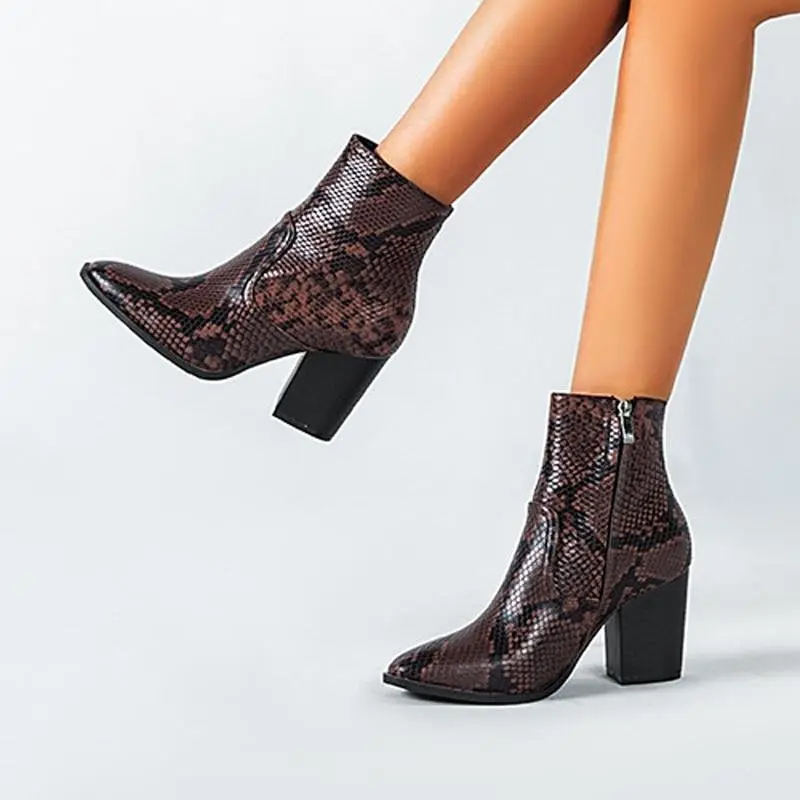
Explore the collection ↗MEN’S & WOMEN’S FOOTWEAR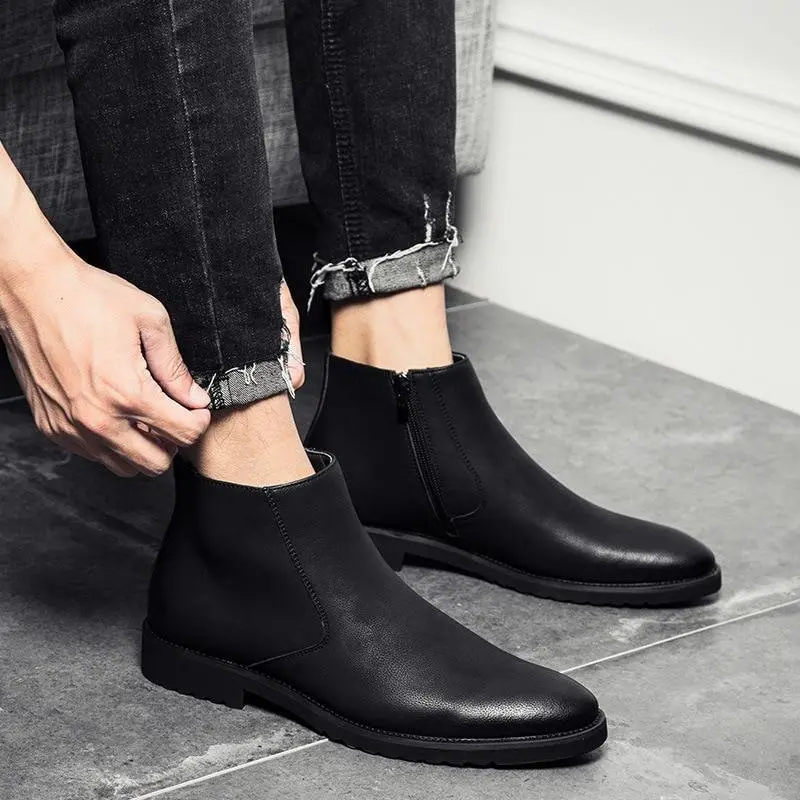 In focus / Men’s Pointed Toe Boot ↗
For workdays.
For evenings.
For your own style.
EXPLORE THE CATALOG
A CLOSER LOOK
A useful footwear collection starts with the places you go and the clothes you wear most often. Think about the pair you reach for on a normal weekday, the occasions that call for a more considered outfit and the gaps in between. A shoe that looks right in a photograph still needs to suit your feet, your routine and the setting in which you will wear it.
The Giovanni Footwear catalog brings together dress shoes, boots, loafers, flats, heels and sneakers. Use the collections to narrow the visual style, then open a product page to look through its photographs and listed options. Keep the page reference when comparing similar names. If an important measurement or material is not confirmed, an enquiry can establish the detail before you make a decision.
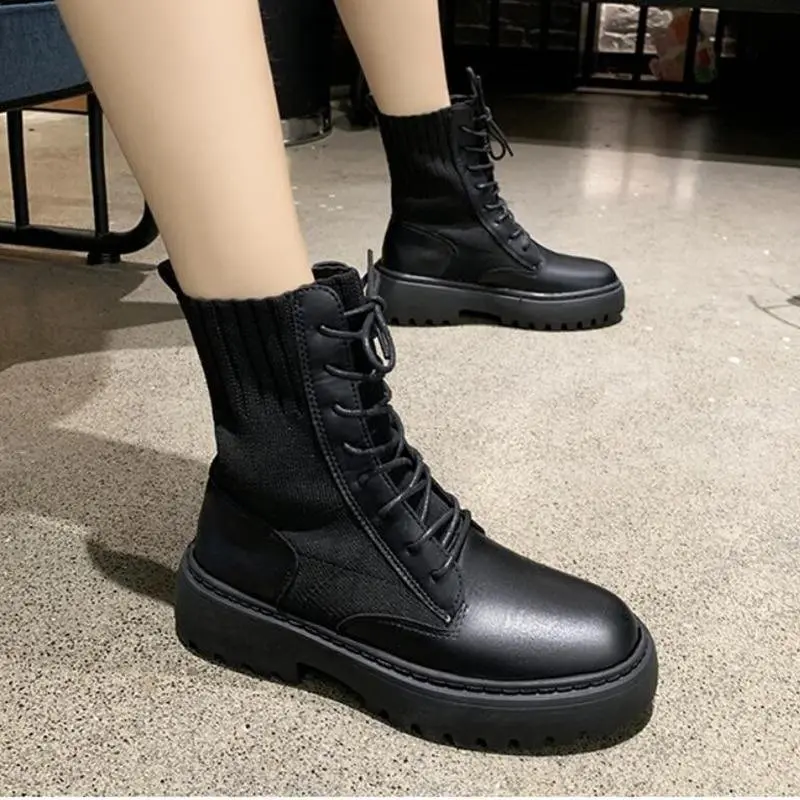
Look first at the outline: a higher boot shaft, a low slip-on opening, a rounded toe or a more pointed profile. Those features change how a pair works with trousers, skirts and dresses. Next consider the fastening and the coverage around the foot. An adjustable lace, a buckle and a slip-on upper offer different ways of putting a shoe on and holding it in place.
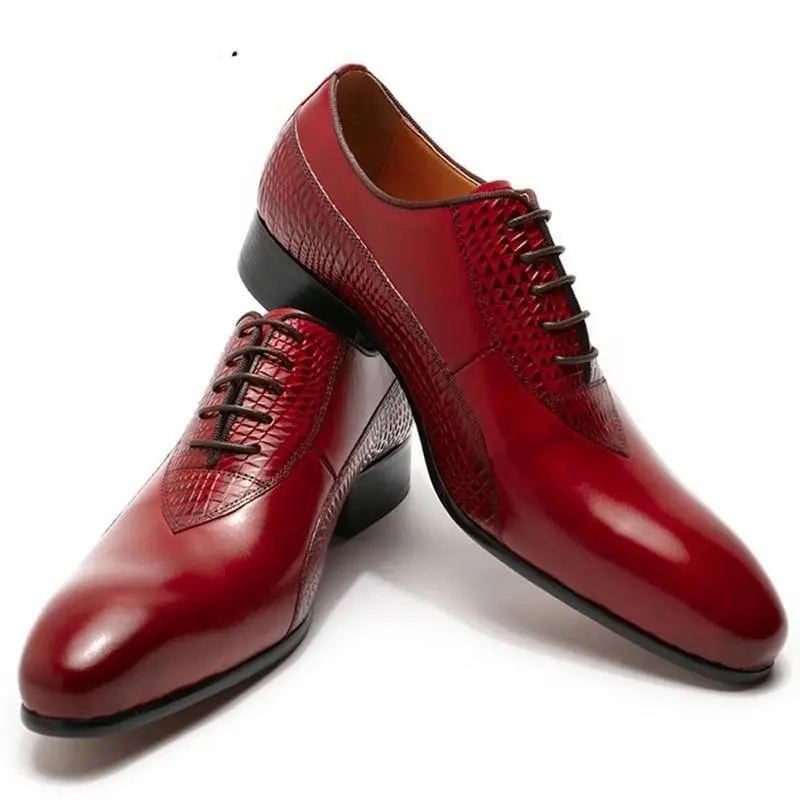
Once the basic shape suits your purpose, compare colour and surface detail. A quiet finish can work across several outfits, while a pronounced texture may become the main detail in a simpler combination. Neither approach requires buying a whole new wardrobe. Try to identify the clothes you would wear with the pair before choosing an option, and keep practical fit questions alongside the visual comparison.
Start with the length and width of both feet, measured while standing in the socks you expect to wear. Put a sheet of paper on a hard floor, keep your weight balanced, and mark the heel and longest toe. Repeat on the other foot rather than assuming the measurements match. Record the result in centimetres or millimetres and keep it with your enquiry. A familiar size number is a useful starting point, but different shoe shapes can fit differently even when the label is the same.
Ask for the size chart for this particular model and confirm which sizing system it uses. A number shown without UK, US or EU context is not enough to make a reliable conversion. Also explain whether your feet are narrow, broad or high across the instep. Length alone cannot describe all of those differences. If you use an insole, mention that before selecting a size because it changes the space available inside the shoe.
Try the footwear with the clothes you actually intend to wear. Trouser length changes how much of the shoe is visible, while a wider hem can cover details that look prominent in a product photograph. A narrow trouser opening can catch on a boot shaft; a longer skirt may reveal only the toe and heel. Looking at the complete outfit helps you decide whether the shape feels balanced.
Colour matching does not need to be exact. Repeating one tone in a belt, bag or jacket can create a connection without making every item identical. If the footwear has a pronounced texture or decorative finish, keep nearby details simpler so the overall outfit remains easy to read. For a formal invitation, check the actual dress code before relying on a general styling suggestion. Personal taste matters, but the setting, weather and amount of walking matter too.
Look through the gallery in order and compare the front, side and rear views where available. The toe shape, opening, fastening and sole profile can be easier to judge from different angles. A close photograph can show a seam or decorative detail that is hard to see in the first image. Colour appearance also changes with lighting and display settings, so use the written colour names when asking about a particular version.
Photographs do not establish every material or construction detail. A polished surface is not proof of a specific leather grade, and a visible seam does not establish how the sole is attached. If the detail matters to your decision, ask for confirmation in writing. Treat any size-chart image as model-specific information and check its headings carefully. Images are useful for comparing appearance; measurements and confirmed specifications are the better basis for deciding fit and suitability.
Check the upper and sole materials before choosing a cleaning product. Remove loose dust gently and work on a small, less visible area before treating an entire shoe. Smooth leather, suede, textiles and coated finishes need different approaches. A cream intended for smooth leather can change the appearance of a textured or absorbent surface. When the material is uncertain, request care instructions instead of experimenting with a strong cleaner.
After ordinary wear, allow footwear to air in a dry, ventilated place. Keep it away from direct heat, which can affect finishes, adhesives and shape. If shoes become wet, wipe away surface moisture and let them dry gradually. Do not assume a product is machine washable or waterproof because it looks robust. Store a clean, dry pair where it will not be crushed by heavier items, and check worn soles, fastenings and heels before the next outing.
Make a short comparison between this model and one or two alternatives. Note the fastening, toe shape, upper description, available colour labels and size options. Then add your own priorities, such as a quick change at the door, room for thicker socks, or a profile that works under tailored trousers. This keeps the decision focused on what you will use instead of on product names alone.
Separate a visible feature from an unverified performance claim. A substantial-looking sole does not prove slip resistance, and an athletic appearance does not establish suitability for running. Likewise, a formal silhouette does not tell you how the shoe will feel through a long day. Ask about any missing specification that could change your choice. If two listings share a name, use their individual page links or references to avoid confusing different models when you contact us.
Use the product enquiry link to open an email with the model reference already included. Add the colour you prefer, the size you normally wear, your foot measurements and the sizing system you use. If you have a particular date or occasion in mind, include it as context. An enquiry does not reserve a pair, create an order or confirm delivery; it starts a conversation about the details you need.
This catalog does not take payment or collect card details. Current availability, any quoted price and any purchase arrangements need separate confirmation. Do not include payment credentials, passwords or identity documents in an initial email. For a previous purchase, use the returns page and include the order reference rather than starting a new product enquiry. Keep a copy of the reply so that you can compare the confirmed information with the model you were considering.